What is Internalized Homophobia?
How we all experience it, and how it impacts LGBTQIA+ mental health

Internalized homophobia - have you heard this term before? If you’re thinking “But I’m gay/lesbian/bi/queer, I’m certainly not homophobic!” let me explain…
“Internalized homophobia” refers to how all the negative messages, stereotypes, prejudices, and stigma about LGBTQIA+ folks and identities can impact us on a subconscious or even unconscious level.
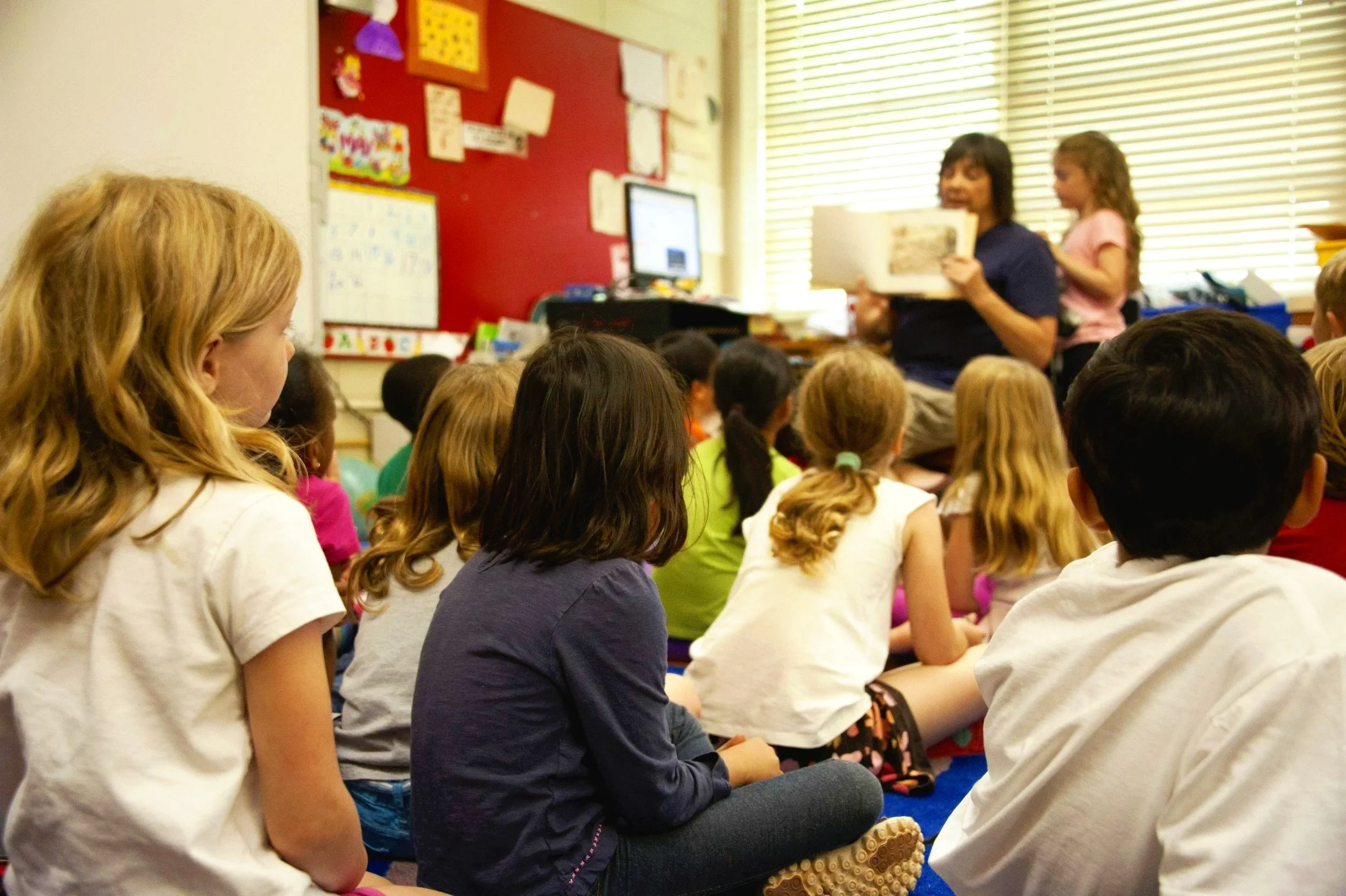
Think about it - if you grew up hearing your family, religious leaders, or community say anything negative or judgmental about queer people, then from a young age you absorbed those messages whether you believed them to be true or disagreed with them. Heck, even if you were barely paying attention to them when you heard them, some part of your brain stored that information away for later use! If you heard adults talk about gay people as if they were something to be feared, they became the boogeyman in your imagination. If you heard your peers in school say “gay” as a pejorative, that contributed too. Even if you didn’t explicitly hear anything negative about queer people, but you grew up in a place where there were not a lot of openly queer people, and where there wasn’t a lot of representation in media, that absence may have still done a lot to convey the message that homosexuality is “wrong”, or something to be ashamed of, or hidden.
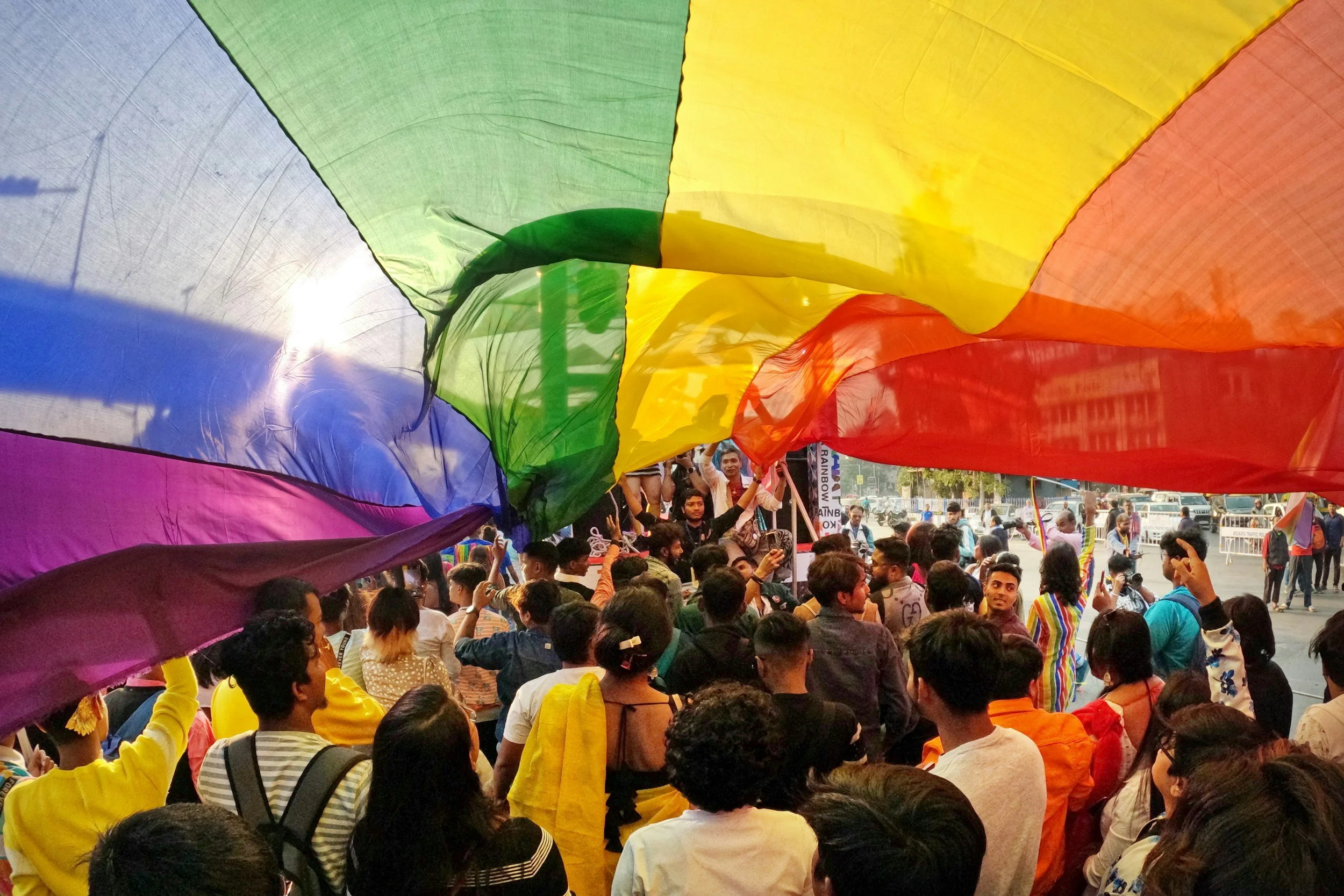
A lot of queer folks hope that once they can come out and live openly as themselves, they will be free of the shame the felt while they were still in the closet. And coming out is huge - embracing your identity, finding the chosen family or queer community you connect with, and being part of Pride celebrations or queer activism unlocks a whole new chapter of life for many people. But sometimes it’s only part of the journey - and that can be confusing for many people. So if you’re thinking “I came out, I’m living my life openly, why am I still struggling sometimes?” this is for you.
And this is a reminder that this is not your fault - you didn’t choose to grow up in a world where there is still so much homophobia and discrimination against the LGBTQIA+ community. That was out of your control, and something you couldn’t avoid. And it left an impact that you may not even be conscious of, but that nonetheless can be affecting your daily life, sense of self, and relationships. That’s why we call it “internalized” homophobia - it’s embedded itself so deep in your subconscious and unconscious that you aren’t choosing to look at yourself or life through this lens, it’s just something so normalized that you do it without thinking about it.
How does internalized homophobia affect LGBTQIA+ folks?
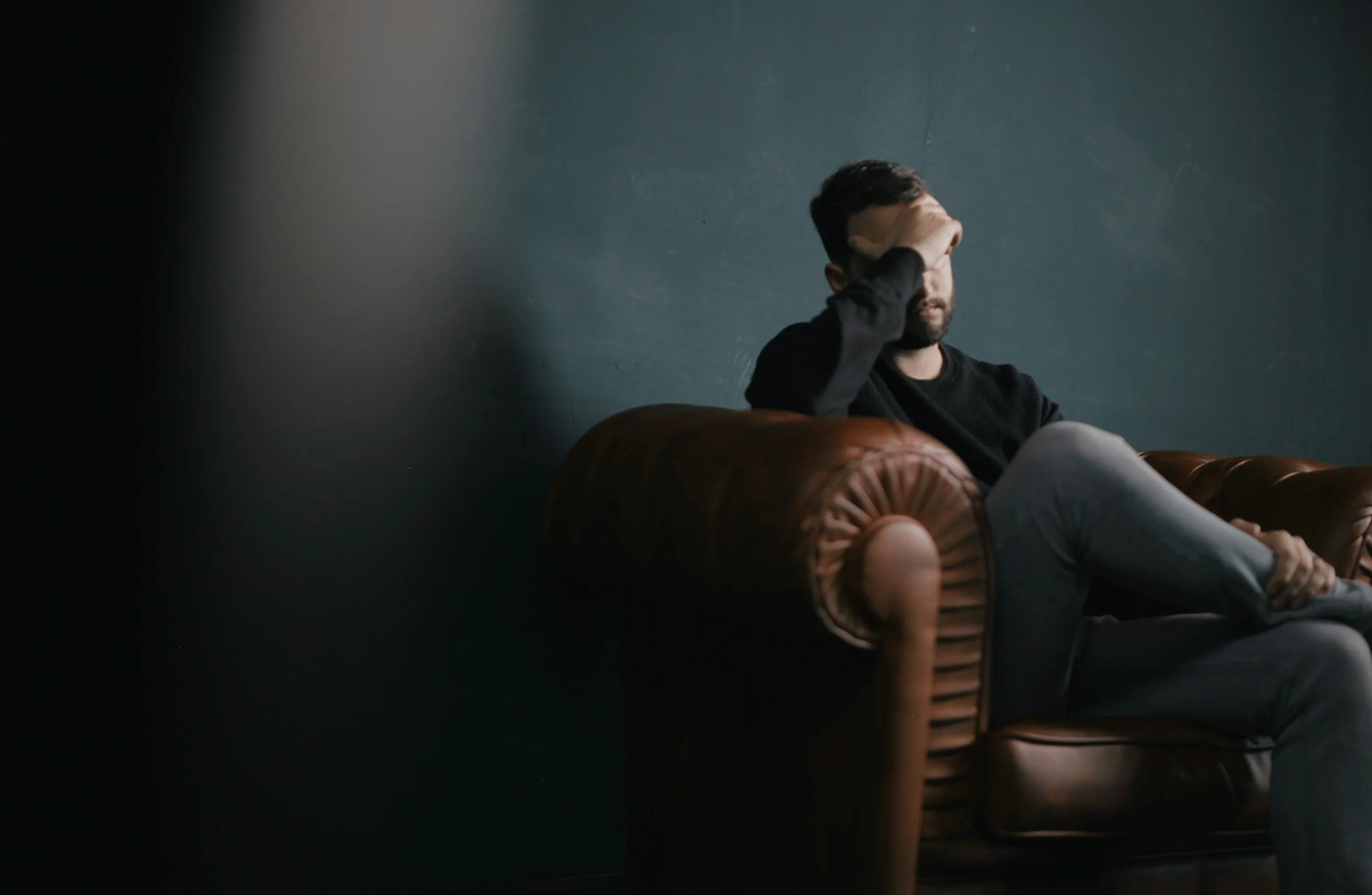
Low self-worth: If you internalized the message that there is something wrong with being gay, even though you may have challenged so much of that messaging to come out and accept yourself, you may still find that you struggle with a sense of low self-worth, feeling like you are never enough, or that there’s something wrong with you. This can even manifest in other ways, like in your career or your friendships, that don’t seem immediately connected to your sexual orientation. You might find yourself assuming that you will fail at things you attempt, that you will be rejected before you even put yourself out there, or that people will judge you negatively.
Mental health concerns: The LGBTQIA+ community is statistically at greater risk for mental health issues such as depression, anxiety, trauma, substance misuse, and suicide (source: The American Psychiatric Association https://www.psychiatry.org/getmedia/552df1c0-57f2-4489-88fa-432182ce815a/Mental-Health-Facts-for-LGBTQ.pdf ).
Internalized homophobia often contributes to these mental health concerns. So if you’ve been in therapy to address any of these issues but are still feeling stuck, and the topic of internalized homophobia has never come up or been suggested by your therapist, it might be helpful to talk about it and explore it in your next session.
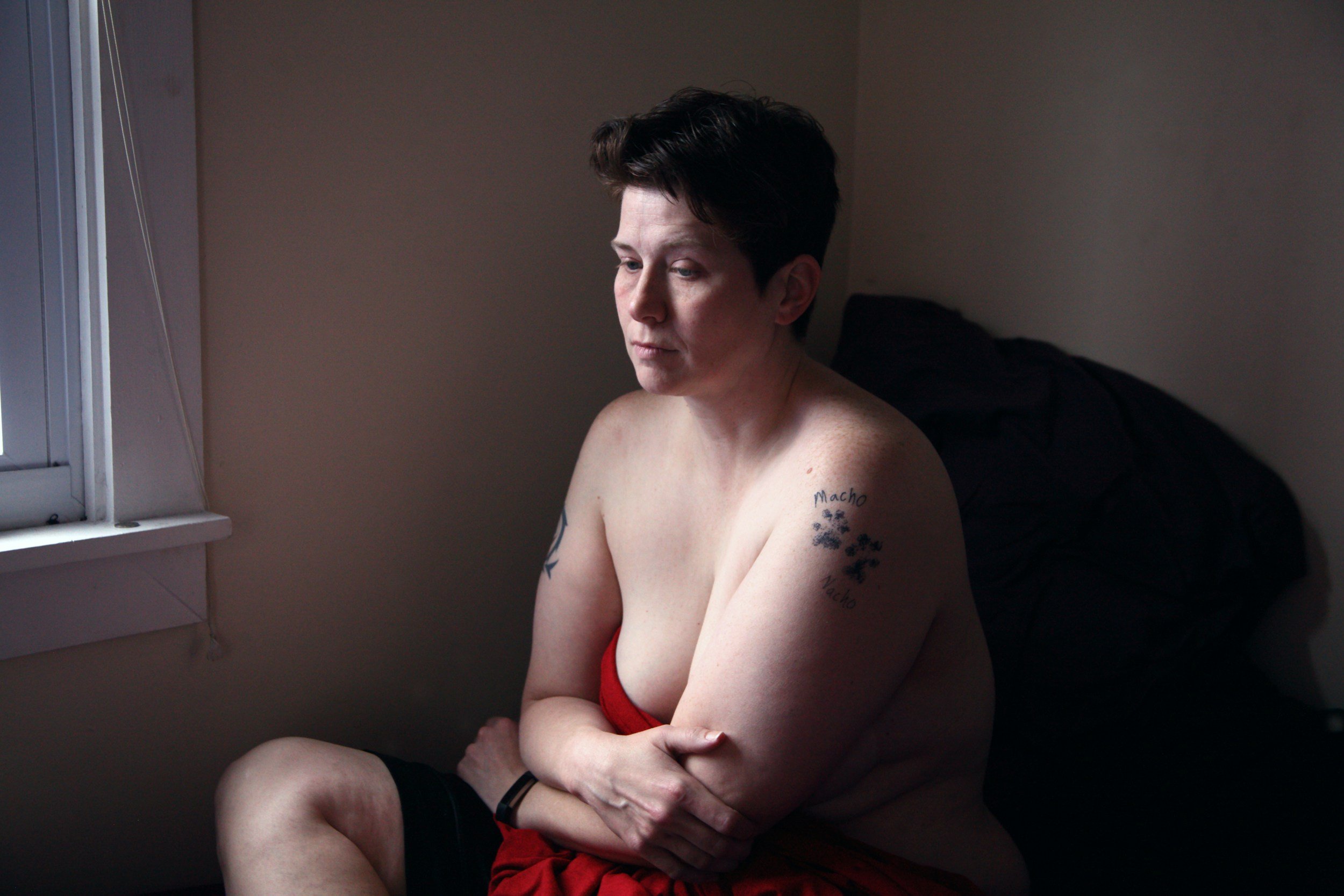
Sexual issues: These internalized messages can really rear their ugly heads when it comes to sex. Sex is still often taboo and fraught with shame, even for heterosexuals! So add homophobia to that, and it’s no wonder many LGBTQIA+ folks want to enjoy sexual pleasure but find themselves coming up against roadblocks and feeling stuck for reasons they can’t quite pinpoint. Intellectually, you might be totally sex-positive; but on a subconscious level, the message that queer sex is “wrong” or “dirty” or even “sinful” might be cock-blocking you.
Isolation: Sometimes internalized homophobia can lead people to only come out to a small, select group of people in their lives, because they are convinced that their wider community will not accept them or will judge them, even if they have some degree of evidence to the contrary (obviously this does not apply to situations where you know your family or community are outspokenly against LGBTQIA+ rights, or would be unsafe to come out to! That’s a different story). While who you come out to is always up to you, if you’re feeling lonely or dissatisfied in how your life is going, it might be worth looking at whether or not internalized homophobia is holding you back from meeting more people, being more authentically yourself with the people in your life, or connecting with queer community when that connection could be a really valuable resource for you.

How do you get rid of internalized homophobia?
Like many internal biases, we may not be able to “get rid” of internalized homophobia entirely - that might be a lifelong process… and indeed a process, not a perfection! But there is a lot you can do to be more aware of it and start healing from it to reduce its impact on how you see yourself, your relationships, and your place in the world.
Being aware of what it is: Naming it, and learning to recognize it, is the first step. Sometimes hearing an explanation of what internalized homophobia is helps something “click” for people, and they understand themselves and their struggles differently with a new perspective on it from that knowledge. Others might find that they can understand this on a logical level, but it still doesn’t change how they feel about themselves or their lives. It can be a pretty big leap to shift from believing something is wrong with you to reminding yourself that maybe you’re thinking that way because of all that societal messaging - like learning to write with your left hand if you’ve been right-handed your whole life.
Talking about it in community: Finding a safe, supportive queer community to talk about these things with can be a life-changer. Hearing that other people experience this too, and hearing their struggles and victories, helps to bring it out in the open and normalize that it’s something most queer people face. That goes a long way towards reducing shame. You might find community in your friend groups, local sports leagues or gaming groups, or by seeking out queer spaces like your local LGBTQIA+ center or support groups (and there are a lot of online support groups these days, in case you don’t have in-person options near you!)
Processing it in therapy: Having a supportive and affirming therapist who understands and has clinical training in addressing internalized homophobia can be a very helpful part of your healing process; especially if you are struggling with any mental health concerns like anxiety, depression, or trauma which may be connected to or exacerbated by internalized homophobia. A therapist can help you untangle this messy ball of yarn, figuring out what thoughts and beliefs are true for you and align with your values, and which might come from that external societal messaging. Many types of therapy can be supportive of this work, including different modalities of talk therapy like cognitive behavioral therapy (CBT) or narrative therapy, Art Therapy, somatic therapy, parts work (IFS), and trauma work such as EMDR therapy or Brainspotting.
Having new experiences: Think about how many years of these negative and homophobic messages you heard and internalized. Probably a lot, right? When did you start hearing different, more positive messages about LGBTQIA+ folks? That new information might still be a drop in the bucket compared to all those years of negative messages - but the more new information and experiences your brain intakes, the more new associations it makes. That’s a big part of how healing happens.
Allison Marx is a Licensed Marriage & Family Therapist and Registered Art Therapist in Los Angeles, CA. She specializes in LGBTQIA+ affirmative, poly/ENM-friendly, and kink-knowledgeable therapy and sex therapy for couples/relationships and individuals.
Interested in therapy? Reach out to schedule a free consultation call!
In-person therapy for residents of Los Angeles County, including Torrance, Palos Verdes, Rolling Hills, Lomita, Redondo Beach, Hermosa Beach, Manhattan Beach, El Segundo, Hawthorne, Lawndale, Gardena, and Long Beach. Online therapy via telehealth throughout the state of California.